Tehran rejects Washington’s latest economic measures as the United States increases pressure while leaving the door open to negotiations.
Iran has vowed to resist a new round of U.S. sanctions as Washington continues its campaign to put economic pressure on Tehran, adding another significant development to an already tense relationship between the two countries.
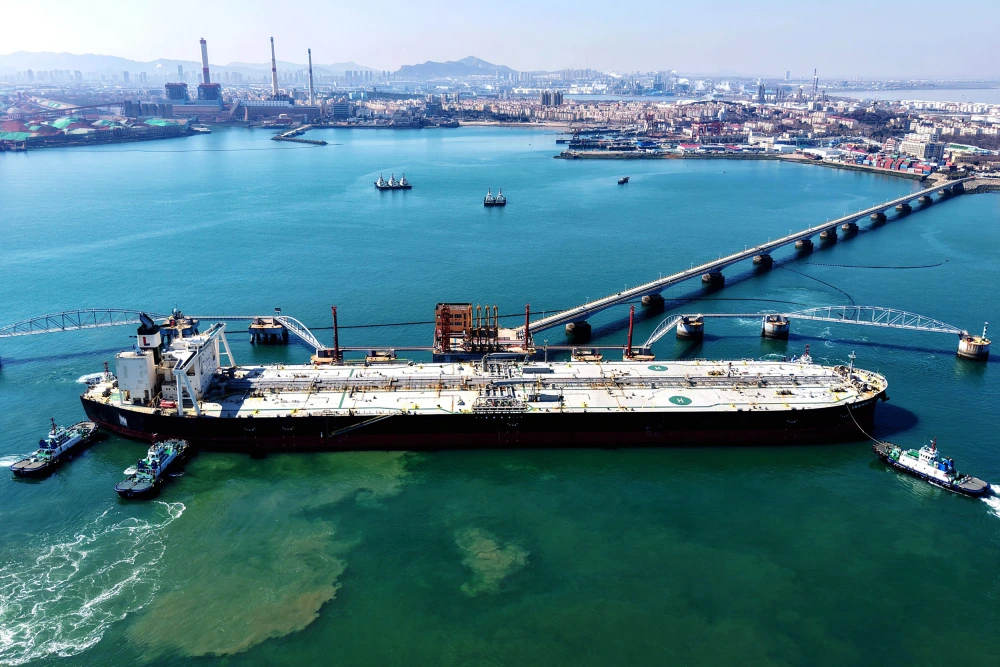
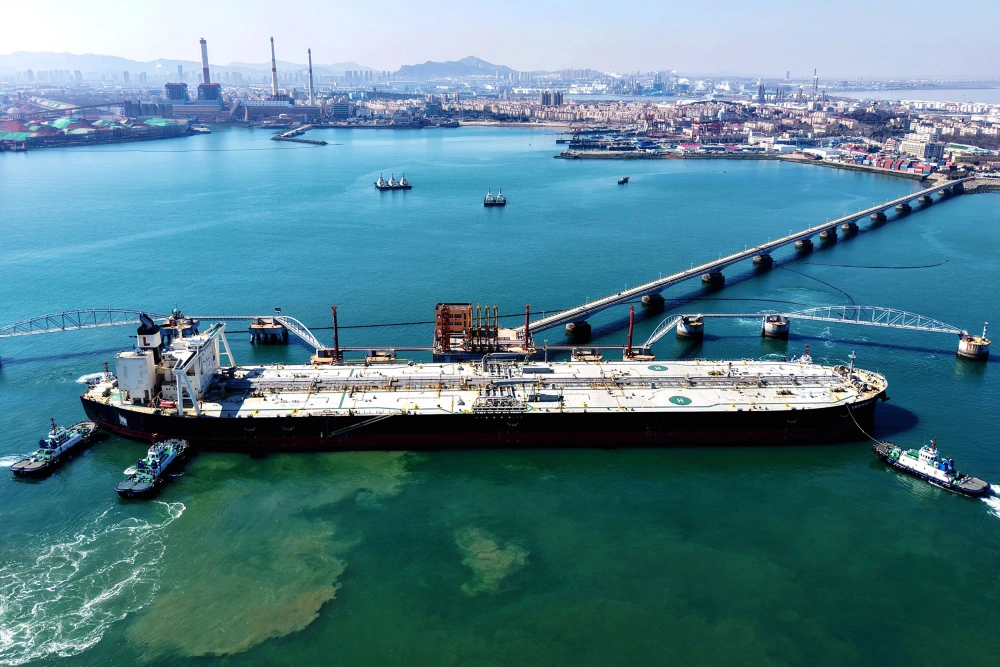
The latest measures target nearly 60 individuals, entities and vessels connected to Iran, according to Reuters. The sanctions are part of a broader U.S. effort to restrict Iran’s ability to generate revenue, conduct international trade and maintain access to financial networks.
Iran, however, has rejected the new measures and says it will resist Washington’s pressure.
Washington Increases Economic Pressure
The latest sanctions represent another attempt by the United States to use economic pressure as leverage against Iran.
Rather than relying solely on diplomatic pressure, Washington has increasingly focused on financial restrictions and sanctions targeting people, businesses and shipping networks connected to Iran.
The goal is to make it more difficult for Tehran to move money, export oil and maintain the international commercial relationships that support its economy.
For the Trump administration, the strategy is intended to increase the cost of Iran’s continued resistance while creating additional leverage for future negotiations.
Iran has taken a very different position.
Tehran Rejects the Latest Measures
Iranian officials have condemned the sanctions and vowed that the country will continue resisting U.S. pressure.
Tehran has repeatedly argued that Washington is using economic restrictions to force Iran into accepting American demands.
The latest response suggests that Iran does not intend to publicly back down simply because additional sanctions have been introduced.
That leaves the two countries facing a familiar but increasingly important question: Can economic pressure eventually bring the sides back to negotiations, or will it lead to another escalation?
Talks Remain a Possibility
Despite the latest sanctions, diplomacy has not completely disappeared.
Washington continues to indicate that negotiations with Iran could still be possible. That creates an unusual dynamic in which the United States is simultaneously increasing economic pressure while leaving open the possibility of talks.
Whether Iran is willing to enter meaningful negotiations remains uncertain.
For diplomacy to move forward, both sides would likely need to determine what concessions they are prepared to make and what issues are considered non-negotiable.
Until then, sanctions remain one of Washington’s primary tools for influencing Tehran.
China Adds Another Complication
China is also an important part of the situation.
Beijing has criticized unilateral U.S. sanctions and maintains significant economic ties with Iran. China is a major buyer of Iranian oil, making its relationship with Tehran particularly important to the effectiveness of Washington’s pressure campaign.
The United States therefore faces a difficult balancing act.
Increasing sanctions against Iranian trade networks could put additional pressure on Tehran, but targeting Chinese companies or financial institutions more aggressively could create another point of tension between Washington and Beijing.
For now, the United States appears to be attempting to increase pressure on Iran without turning the situation into a much broader confrontation with China.
Possible Impact Beyond Iran
The consequences of the latest developments could extend well beyond the U.S.-Iran relationship.
Iran is an important player in the global energy market, and any significant disruption involving Iranian oil exports or regional shipping could affect energy prices and international trade.
The situation is also being watched closely because of tensions surrounding the Strait of Hormuz, a critical route for global energy shipments.
A prolonged escalation in the region could create additional uncertainty for governments, businesses and financial markets.
What Happens Next?
The immediate focus will be on how Iran responds to the new sanctions and whether Washington continues expanding its economic pressure.
Another important question will be whether diplomatic channels remain open.
If the two sides return to negotiations, the sanctions could ultimately become part of a broader strategy aimed at gaining leverage before talks. If tensions continue to rise, however, additional sanctions and retaliatory measures could make diplomacy more difficult.
China’s response will also be closely watched as Washington attempts to restrict Iran’s economic options while Beijing protects its own trade and energy interests.
For now, Iran says it will resist the latest U.S. measures, while Washington continues to apply pressure and signal that negotiations remain possible.
The next steps from Washington, Tehran and Beijing could determine whether the current confrontation moves toward diplomacy or another period of escalation.
International Horizons News will continue monitoring this developing story as new information emerges.
International Horizons News — Global events. Clear perspective.