
Category: Breaking News

Get the latest breaking stories and developing events as they happen. The Daily Horizon delivers timely updates on major events, emergencies, conflicts, political developments, and other stories making headlines around the world.

  • IRAN VOWS TO RESIST NEW U.S. SANCTIONS

    Tehran rejects Washington’s latest economic measures as the United States increases pressure while leaving the door open to negotiations.

    Iran has vowed to resist a new round of U.S. sanctions as Washington continues its campaign to put economic pressure on Tehran, adding another significant development to an already tense relationship between the two countries.

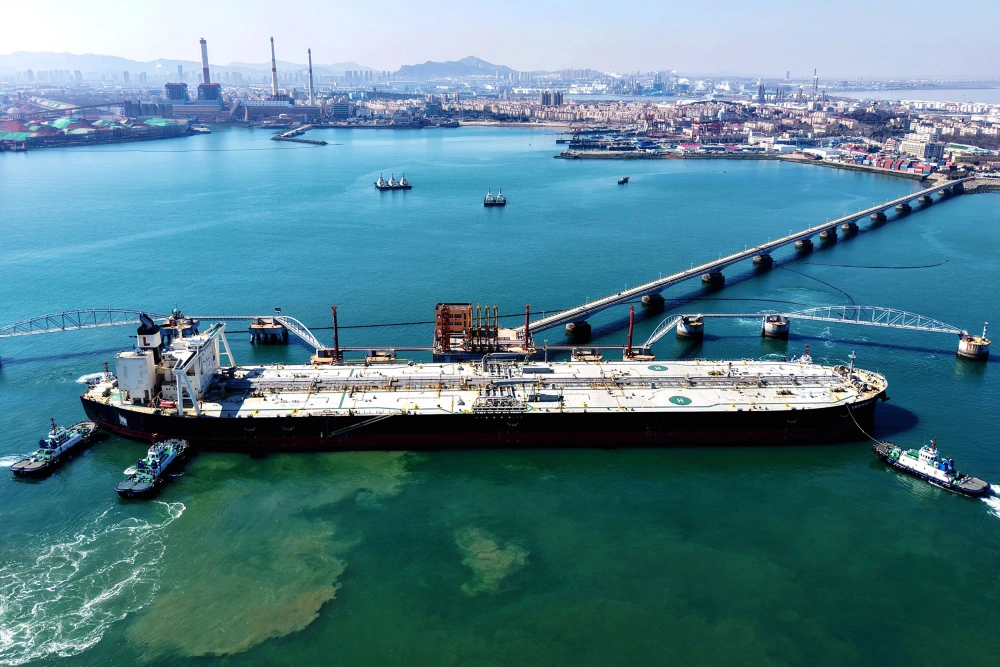
    The latest measures target nearly 60 individuals, entities and vessels connected to Iran, according to Reuters. The sanctions are part of a broader U.S. effort to restrict Iran’s ability to generate revenue, conduct international trade and maintain access to financial networks.

    Iran, however, has rejected the new measures and says it will resist Washington’s pressure.

    Washington Increases Economic Pressure

    The latest sanctions represent another attempt by the United States to use economic pressure as leverage against Iran.

    Rather than relying solely on diplomatic pressure, Washington has increasingly focused on financial restrictions and sanctions targeting people, businesses and shipping networks connected to Iran.

    The goal is to make it more difficult for Tehran to move money, export oil and maintain the international commercial relationships that support its economy.

    For the Trump administration, the strategy is intended to increase the cost of Iran’s continued resistance while creating additional leverage for future negotiations.

    Iran has taken a very different position.

    Tehran Rejects the Latest Measures

    Iranian officials have condemned the sanctions and vowed that the country will continue resisting U.S. pressure.

    Tehran has repeatedly argued that Washington is using economic restrictions to force Iran into accepting American demands.

    The latest response suggests that Iran does not intend to publicly back down simply because additional sanctions have been introduced.

    That leaves the two countries facing a familiar but increasingly important question: Can economic pressure eventually bring the sides back to negotiations, or will it lead to another escalation?

    Talks Remain a Possibility

    Despite the latest sanctions, diplomacy has not completely disappeared.

    Washington continues to indicate that negotiations with Iran could still be possible. That creates an unusual dynamic in which the United States is simultaneously increasing economic pressure while leaving open the possibility of talks.

    Whether Iran is willing to enter meaningful negotiations remains uncertain.

    For diplomacy to move forward, both sides would likely need to determine what concessions they are prepared to make and what issues are considered non-negotiable.

    Until then, sanctions remain one of Washington’s primary tools for influencing Tehran.

    China Adds Another Complication

    China is also an important part of the situation.

    Beijing has criticized unilateral U.S. sanctions and maintains significant economic ties with Iran. China is a major buyer of Iranian oil, making its relationship with Tehran particularly important to the effectiveness of Washington’s pressure campaign.

    The United States therefore faces a difficult balancing act.

    Increasing sanctions against Iranian trade networks could put additional pressure on Tehran, but targeting Chinese companies or financial institutions more aggressively could create another point of tension between Washington and Beijing.

    For now, the United States appears to be attempting to increase pressure on Iran without turning the situation into a much broader confrontation with China.

    Possible Impact Beyond Iran

    The consequences of the latest developments could extend well beyond the U.S.-Iran relationship.

    Iran is an important player in the global energy market, and any significant disruption involving Iranian oil exports or regional shipping could affect energy prices and international trade.

    The situation is also being watched closely because of tensions surrounding the Strait of Hormuz, a critical route for global energy shipments.

    A prolonged escalation in the region could create additional uncertainty for governments, businesses and financial markets.

    What Happens Next?

    The immediate focus will be on how Iran responds to the new sanctions and whether Washington continues expanding its economic pressure.

    Another important question will be whether diplomatic channels remain open.

    If the two sides return to negotiations, the sanctions could ultimately become part of a broader strategy aimed at gaining leverage before talks. If tensions continue to rise, however, additional sanctions and retaliatory measures could make diplomacy more difficult.

    China’s response will also be closely watched as Washington attempts to restrict Iran’s economic options while Beijing protects its own trade and energy interests.

    For now, Iran says it will resist the latest U.S. measures, while Washington continues to apply pressure and signal that negotiations remain possible.

    The next steps from Washington, Tehran and Beijing could determine whether the current confrontation moves toward diplomacy or another period of escalation.

    International Horizons News will continue monitoring this developing story as new information emerges.

    International Horizons News — Global events. Clear perspective.
  • U.S. Hits Roadblock in Iran as China Pushes Back

    Washington’s pressure campaign against Tehran is becoming increasingly complicated as China resists U.S. efforts and protects its economic relationship with Iran.

    The United States is facing a growing challenge in its effort to increase economic pressure on Iran, as China continues to resist key elements of Washington’s strategy.

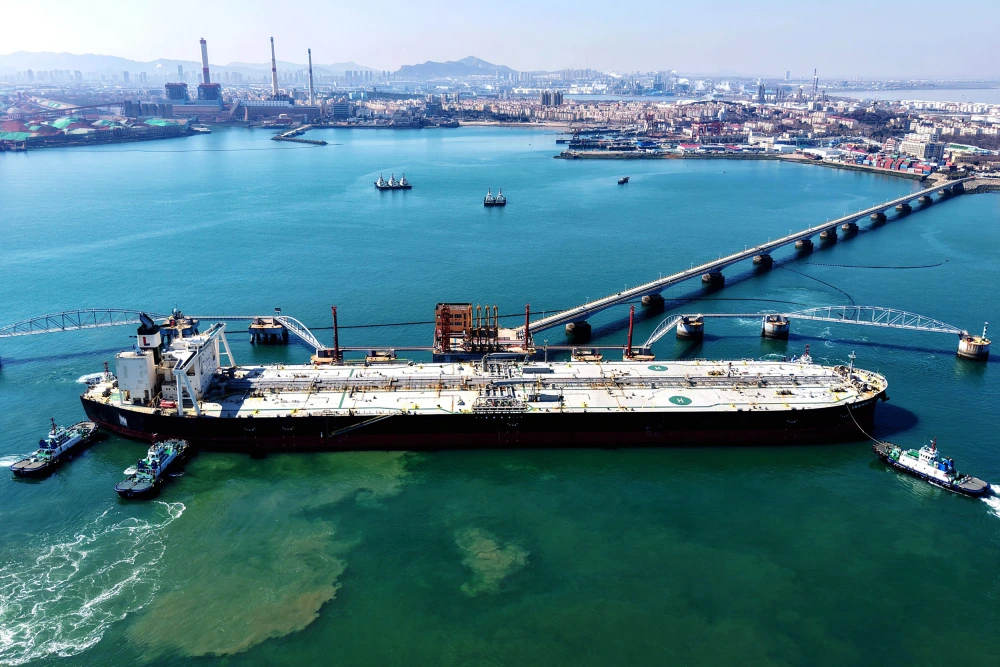
    The latest developments highlight how the confrontation surrounding Iran is becoming more complicated than a dispute between Washington and Tehran. China’s economic relationship with Iran — particularly its purchases of Iranian oil — gives Beijing an important role in determining how effective additional U.S. sanctions can ultimately be.

    Washington Expands Pressure

    The Trump administration has continued using sanctions and other economic measures in an effort to restrict Iran’s access to international markets and reduce the revenue available to the Iranian government.

    The measures have focused on individuals, companies and shipping networks connected to Iran’s energy and trading sectors. The broader objective is to make it more difficult for Tehran to sell oil, move money internationally and maintain commercial relationships that support its economy.

    For Washington, limiting Iran’s ability to generate revenue is a central part of its pressure campaign.

    But there is a significant complication.

    China Remains a Key Economic Partner

    China remains Iran’s most important major trading partner in the oil market, giving Beijing considerable influence over the effectiveness of U.S. economic pressure.

    Chinese officials have criticized unilateral U.S. sanctions and have argued that Washington should not use its domestic laws to impose restrictions on other countries.

    Beijing has also indicated that it will take steps to protect its legitimate economic interests.

    That creates a difficult situation for Washington. The United States can increase pressure on companies and individuals involved in Iran’s oil trade, but aggressively targeting major Chinese financial institutions or businesses could create a much larger confrontation between Washington and Beijing.

    A Delicate U.S.-China Calculation

    The United States and China are already engaged in broader competition over trade, technology, security and global influence.

    Adding Iran to that list creates another potential source of tension.

    Washington must therefore balance two objectives: increasing pressure on Tehran while avoiding measures that could trigger a significantly wider economic confrontation with China.

    For Beijing, the calculation is different.

    China has an interest in maintaining access to energy supplies and protecting its commercial relationships. At the same time, Beijing has repeatedly opposed what it views as excessive U.S. use of sanctions and economic restrictions.

    That leaves both countries with competing interests and limited room for error.

    Why the Strait of Hormuz Matters

    The situation is also being closely watched because of the Strait of Hormuz, one of the world’s most important energy shipping routes.

    A prolonged disruption in the area could affect the movement of oil and other energy products between the Middle East and global markets.

    Any major interruption could potentially push energy prices higher, increase transportation costs and add pressure to economies that rely heavily on imported energy.

    For that reason, developments involving Iran are being watched not only by governments in the region, but also by financial markets and businesses around the world.

    What Happens Next?

    The next phase of the dispute could depend heavily on how far Washington is willing to go in enforcing its sanctions against companies involved in Iranian oil exports.

    The United States could increase pressure on Chinese companies believed to be helping Iran maintain its oil trade. Such action, however, could provoke a response from Beijing and turn the Iran dispute into another point of direct U.S.-China confrontation.

    China could respond through diplomatic measures, economic countermeasures or continued support for its commercial relationships with Iran.

    Iran, meanwhile, remains under significant economic and geopolitical pressure and has its own incentives to maintain access to international markets.

    A Situation Bigger Than U.S. and Iran

    What began as another chapter in the long-running confrontation between Washington and Tehran is increasingly tied to the broader competition between the United States and China.

    The coming weeks could determine whether the two sides are able to manage their differences or whether Iran becomes another major flashpoint in an already complicated U.S.-China relationship.

    For now, the situation remains fluid.

    International Horizons News will continue following developments as they unfold, with updates on Iran, the United States, China, energy markets and the wider geopolitical impact.

    International Horizons News — Global events. Clear perspective.

  • BREAKING: Putin Warns the World Could Be Opening a “Pandora’s Box” as Global Tensions Escalate

    Russian President Vladimir Putin has issued a stark warning as global tensions continue to rise, raising concerns that recent developments could open a dangerous “Pandora’s box” with consequences far beyond the current crisis.

    What We Know So Far

    Russian President Vladimir Putin has issued a warning over the potential consequences of continued international escalation, using the phrase “Pandora’s box” to describe the risks facing the world if current tensions continue to expand.

    Putin’s comments come at a time when relations between Russia and Western nations remain deeply strained. Military activity, diplomatic confrontations, sanctions, and growing disagreements over international security have increased concerns that a crisis involving one region could eventually create consequences far beyond its original borders.

    The “Pandora’s box” comparison suggests that once certain actions are taken, they could create a chain reaction that becomes increasingly difficult to control. While Putin did not necessarily indicate that a wider conflict is inevitable, his warning reflects the growing concern surrounding decisions made by governments during periods of heightened tension.

    International officials continue to watch Russia’s statements closely, particularly as governments weigh their responses to ongoing geopolitical developments. Any significant change in military posture, new sanctions, diplomatic moves, or direct confrontation could quickly alter the situation.

    For countries across Europe and beyond, the concern is not limited to the immediate crisis. A broader escalation could affect international security, energy markets, trade, financial markets, and diplomatic relationships. Businesses and governments are also watching for potential economic consequences if tensions continue to increase.

    At the same time, diplomatic efforts remain an important part of the international response. Leaders and officials continue to emphasize the importance of avoiding actions that could push the situation beyond the point of containment.

    For now, the situation remains closely watched and continues to develop. Putin’s warning has added another layer of uncertainty to an already tense international environment, with governments and analysts assessing what the next moves could mean for global stability.

    Key Points

    • Putin has warned of potentially serious consequences from further escalation.
    • International leaders are closely monitoring the situation.
    • Concerns remain over the possibility of a broader conflict.
    • Further developments are expected as officials respond to the latest statements.

    What Happens Next?

    The situation remains fluid, and the next steps will depend on how Russia, the United States, European governments, and other international actors respond to the latest developments. Officials are expected to continue monitoring the situation while weighing diplomatic, economic, and security options.

    At this stage, it is unclear whether the current tensions will ease or lead to further escalation. Any new military actions, diplomatic announcements, sanctions, or negotiations could significantly change the situation.

    For now, governments and international organizations are likely to focus on preventing further escalation while assessing the potential regional and global consequences. International Horizons News will continue monitoring developments and provide updates as verified information becomes available.

    Source Information

    Sources: Reuters, Associated Press, and other verified reporting.

    Last Updated: August 23, 2026